
Why Are Tower Cranes Crucial in High-Rise Construction?
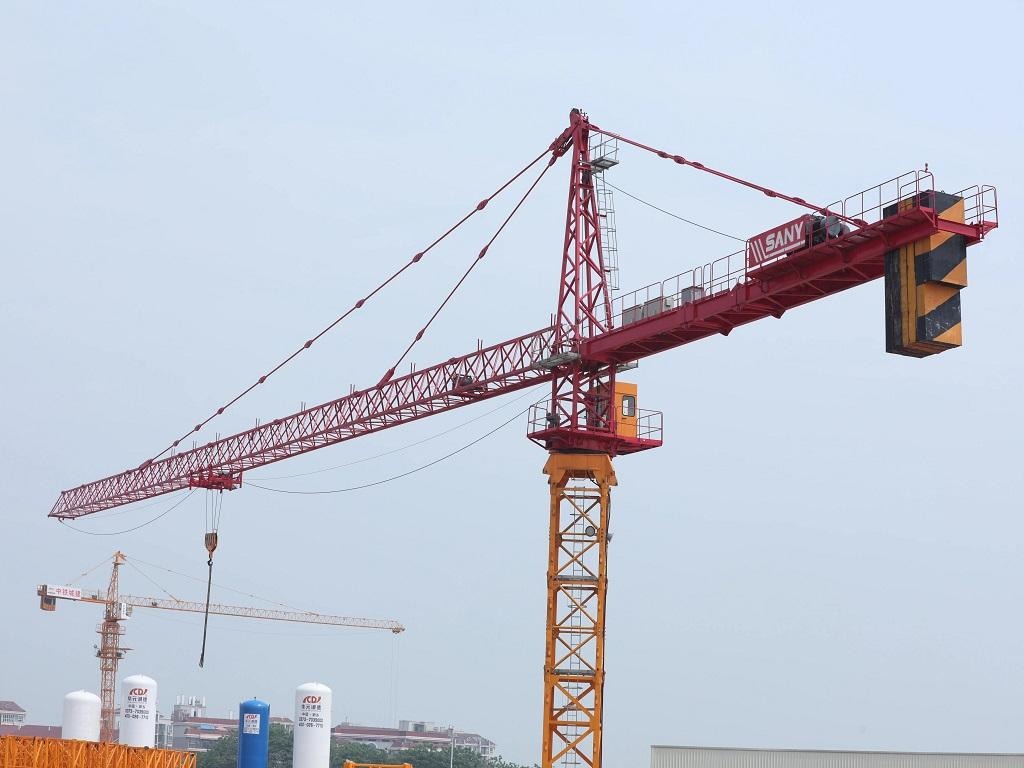
Tower cranes play a pivotal role in the construction of high-rise buildings. These towering machines dominate the skyline, providing the necessary tools to lift and position heavy materials efficiently. Their robust structures support both vertical and horizontal transportation on building sites, propelling projects to new heights. Construction companies rely on tower cranes for their unparalleled lifting capacity, precision, and safety features. Without these cranes, constructing the skyscrapers that define urban landscapes would be incredibly more complex and time-consuming. By analyzing the benefits and innovations of tower cranes, one can appreciate their necessity in shaping modern cities worldwide.
Key Benefits of Tower Cranes in Skyscraper Projects
Tower cranes offer significant advantages on high-rise sites. Their remarkable lifting capacity and extensive reach enable the efficient handling of heavy materials. The precision in material placement at considerable heights ensures construction accuracy. Furthermore, their ability to operate continuously throughout project phases accelerates timelines and enhances overall productivity while maintaining safety standards.
Exceptional Lifting Capacity and Reach
The lifting power of tower cranes is unmatched in the world of construction. They can hoist heavy materials, such as steel beams and concrete slabs, to towering heights that other machinery cannot reach. This capability is crucial on skyscraper projects, where materials need to be placed accurately at various elevations. Tower cranes have a robust and stable design, allowing them to handle substantial loads with precision. Their vertical and horizontal reach make accessing different building sections seamless, optimizing construction efficiency. As a result, they reduce the need for multiple equipment setups and minimize the time spent unduly handling heavy materials around the site.
Precise Material Placement at Height
Precision is vital in erecting skyscrapers, and tower cranes excel in this aspect. Their advanced controls and technology enable operators to position materials with pinpoint accuracy, even at great heights. This precision ensures that structural components fit together perfectly, maintaining the building’s integrity and strength. Working from a secure cab, crane operators have a comprehensive view of the site, allowing them to make real-time adjustments as needed. This high-level precision reduces material wastage and rework, ultimately conserving resources and lowering costs. As such, tower cranes contribute significantly to successful, precise high-rise constructions.
Continuous Operation Throughout Construction Phases
Unlike other construction machinery that may face restrictions due to site setup or capabilities, tower cranes can operate continuously across various project stages. Their presence is constant from initial site development to foraging the final structural details. This continuous operation translates into consistent productivity, which is essential for meeting stringent construction timelines. Tower cranes can adapt to changing site conditions by easily relocating, ensuring they remain effective throughout the project. Their uninterrupted service reduces construction delays and contributes to streamlined operations, illustrating why they are indispensable in high-rise building endeavors.
How Tower Cranes Support Safety and Efficiency
Tower cranes enhance safety and efficiency on construction sites. Their stable footprint and controlled load management minimize risks associated with heavy lifting. By reducing the reliance on manual labor, tower cranes mitigate the occurrence of accidents and overcome on-site delays, promoting a safer working environment and timely project completion.
Stable Footprint and Load Control
The design of tower cranes emphasizes stability. Anchored securely to concrete bases, they maintain resilience against weather fluctuations, which is crucial when operating at height. Their controlled load management ensures that heavy materials are lifted and placed securely, minimizing risks associated with overloading or dropping. Advanced safety mechanisms are in place, allowing operators to manage load swings and rotations safely. This stability and control greatly reduce the likelihood of accidents on busy construction sites, providing peace of mind and reliability for all workers involved.
Reducing Manual Labor and On-Site Delays
Tower cranes help reduce manual labor by performing tasks that would otherwise require extensive human effort. Their ability to transport large materials efficiently minimizes dependency on workers for heavy lifting, reducing the potential for injury. Automation and precision in crane operations expedite construction processes, leading to fewer delays. By providing consistent and reliable performance, tower cranes ensure that project timelines remain intact, even in complex urban environments. This significant reduction in manual workload enables project teams to focus on other critical construction aspects, maximizing resource allocation and productivity.
Tower Crane Innovation and Adaptability
Innovations in tower crane technology drive construction forward. Climbing systems allow cranes to rise alongside growing structures, maintaining their utility as projects progress. Custom configurations cater to varying site needs, demonstrating adaptability in diverse scenarios. Consequently, tower cranes continue to be a cornerstone of modern construction practices.
Climbing Systems for Growing Structures
As skyscraper projects progress, the need for tower cranes to keep pace is imperative. Climbing systems have been developed to align cranes’ growth with the structure, maintaining their operating height as each floor is completed. Innovatively designed, these systems enable cranes to self-raise, using advanced jacking techniques to ascend the building without external assistance. This capacity to grow with the structure allows them to operate seamlessly throughout construction. These systems ensure tower cranes remain effective till the project’s completion, affirming their role as an indispensable tool in building tall, complex structures.
Custom Configurations for Different Site Needs
Tower cranes are versatile machines, tailored to fit the unique demands of individual construction projects. Custom configurations allow them to be adapted to site specifications, ensuring optimal performance. Whether dealing with restricted urban environments or distinct building designs, tower cranes can be equipped with various jib lengths, counterweights, and lift capacities that suit the task at hand. This customization reduces the need for multiple cranes, streamlining equipment usage and logistics. As such, adaptable configurations reinforce the flexibility and efficiency that make tower cranes invaluable in contemporary construction undertakings.
Conclusion
Tower cranes are crucial to high-rise construction, offering exceptional lifting capacity, precision placement, and continuous operation. They ensure safety and efficiency by maintaining stable operations and reducing on-site labor demands. Innovations in crane technology, such as climbing systems and custom configurations, enhance adaptability and maximize effectiveness. These features illustrate why tower cranes are indispensable tools for constructing urban landscapes. As skyscrapers continue to shape city skylines, the role of tower cranes remains vital in meeting the challenges of modern architectural ambitions. Their lasting impact on the construction industry is undeniable, underscoring their importance in high-rise development.