
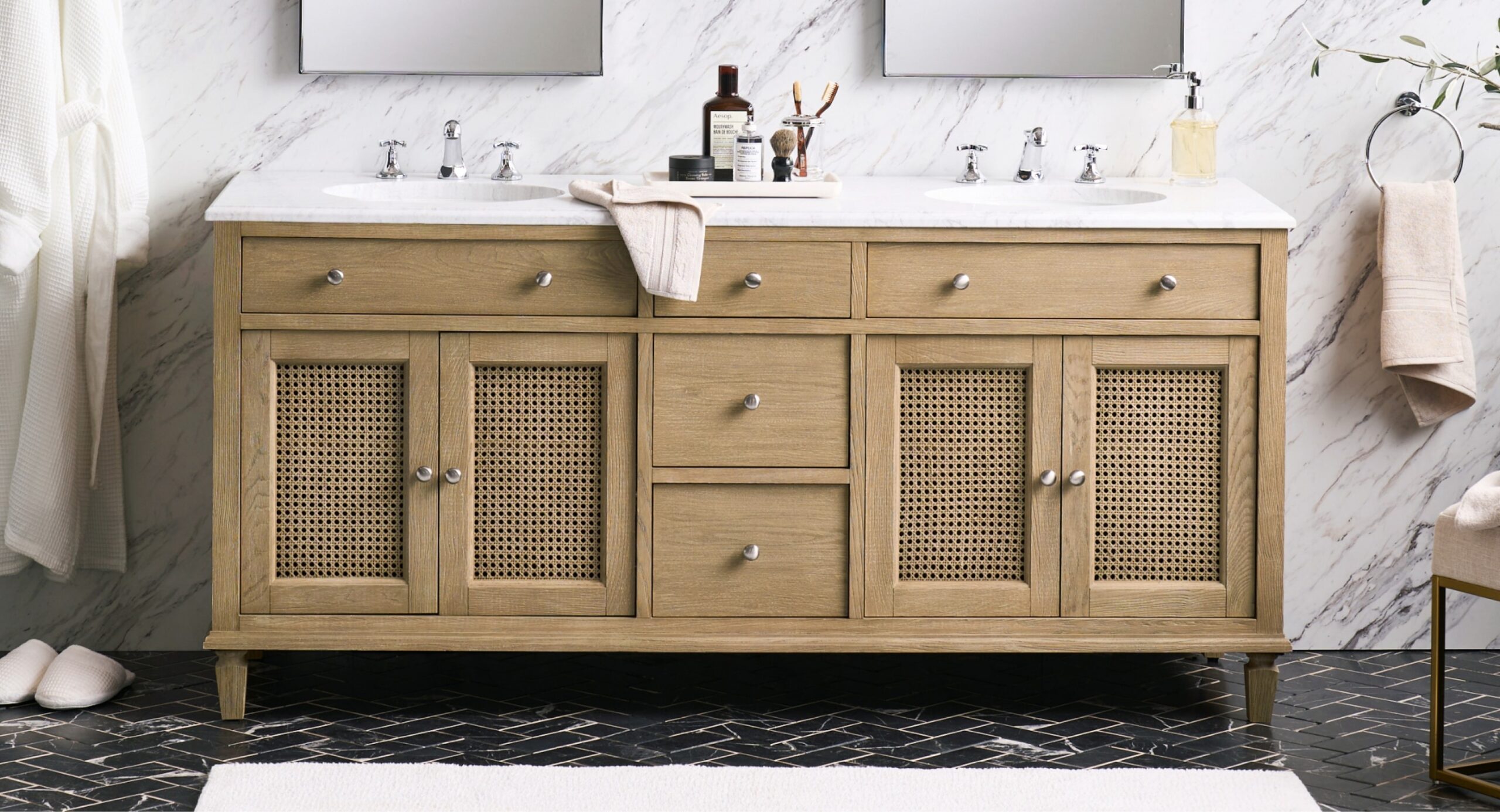
Choosing a vanity that suits the layout, size, and daily use
A bathroom vanity does more than hold a sink. It shapes how your bathroom feels, how easy it is to move around, and how smooth your daily routine becomes. Pick the wrong one and the space can feel tight, messy, or hard to clean. Pick the right one and the whole room works better.
Many people choose a vanity based only on style. But the best choice depends on three things: your layout, the size of the room, and how the bathroom is used each day. This guide will help you think through each factor so you can choose a vanity that fits your space and your routine.
Start With Your Bathroom Layout
Before looking at colors or finishes, study how your Bathroom vanity ideas is arranged. The layout decides where the vanity can go and how large it can be.
Single-wall bathrooms vs L-shaped layouts
In a single-wall bathroom, the vanity often sits beside the toilet or shower. Space is tight, so a slim design or wall-hung vanity helps keep the walkway open. In L-shaped layouts, you may have more freedom to place the vanity along a longer wall, which allows for wider options or extra storage.
Small bathroom layout challenges
In small bathrooms, every centimetre matters. Check how far the door swings and how close the vanity will sit to the toilet or shower screen. A deep vanity may block movement even if it looks good on paper. In tight rooms, reduced depth often makes a bigger difference than reduced width.
Double vanity placement in larger layouts
If your Bathroom vanity ideas is wide enough, a double vanity can make mornings easier for couples or families. But it only works if there is enough wall space and plumbing access. Make sure there is still room for mirrors, lighting, and comfortable standing space between the sinks.
Choosing the Right Vanity Size
Once you understand the layout, the next step is choosing the correct size. This is where many people guess instead of measuring.
Standard vanity widths explained
Most vanities come in common widths such as 600mm, 750mm, 900mm, and 1200mm or more. Measure the available wall space and leave a little gap on each side so the room does not feel cramped. Always measure at floor level and again at waist height in case walls are not perfectly straight.
Depth and height — the overlooked factors
Depth affects how easy it is to walk past the vanity. In narrow bathrooms, a shallow unit keeps the room open. Height also matters. A vanity that is too low feels uncomfortable for daily use, while one that is too high can make washing awkward for kids.
Storage capacity vs visual bulk
Large vanities offer more storage, but they can also make the room feel heavy. Drawers often give better access than cupboards, especially in family bathrooms. Wall-hung vanities create the illusion of space because you can see the floor beneath them, while floor-standing models usually provide more storage.
Matching the Vanity to Daily Use
A vanity should match how the bathroom is used, not just how it looks in photos.
Family bathrooms vs guest bathrooms
Family bathrooms need durable materials and easy-clean surfaces. Soft-close drawers, strong hinges, and moisture-resistant finishes make a big difference over time. Guest bathrooms can focus more on style because they are used less often.
Morning rush vs occasional use
If two or more people use the bathroom at the same time, counter space becomes important. A wider vanity or double sink can prevent crowding. In a bathroom used only once or twice a day, a compact vanity may be all you need.
Storage needs based on lifestyle
Think about what you store in the bathroom. Families with children often need room for towels, toiletries, and cleaning supplies. Minimalist users may only need space for a few essentials. Your lifestyle should guide the number of drawers, shelves, and compartments you choose.
Style Still Matters — But Only After Function
Once layout, size, and usage are clear, you can focus on style with confidence.
Modern, floating, and wall-hung vanities
Wall-hung vanities are popular in modern homes because they make bathrooms look larger and easier to clean. They work well in small spaces or contemporary interiors.
Freestanding and furniture-style vanities
Freestanding vanities feel solid and traditional. They suit larger bathrooms and often provide more internal storage. Furniture-style designs can add warmth and character to the room.
Materials that last in humid bathrooms
Bathrooms deal with moisture every day, so materials matter. Moisture-resistant boards, stone tops, and ceramic basins usually last longer. Choosing durable materials now can prevent swelling, peeling, or damage later.
Smart Planning Tips Before You Buy
A little planning before purchase can save money and avoid renovation mistakes.
Measure twice, order once
Write down your maximum width, depth, and height. Check the position of doors, power points, and plumbing outlets. This helps you avoid buying a vanity that looks right online but does not fit in reality.
Think about plumbing first
Moving plumbing can increase installation costs. If the pipes are fixed in one spot, you may need a vanity that matches that position. Planning around existing plumbing often keeps the project simpler and cheaper.
Browse practical Bathroom vanity ideas before deciding
Looking at real product ranges can help you understand what sizes, storage layouts, and styles are available. Exploring different Bathroom vanity ideas can give you a clearer sense of what fits your space and daily needs before you make a final choice.
Conclusion — The best vanity is the one that fits your life
The perfect vanity is not just about design. It is about how well it fits your layout, how comfortable it feels to use, and how much storage it gives you every day. When you measure carefully, think about movement in the room, and match the vanity to your routine, the bathroom becomes easier to use and more pleasant to live with.
Take time to plan before buying. A well-chosen vanity can improve both the look of your bathroom and the way it works for years to come.